



















The Double-Edged Sword: Why Students Must Understand AI's Dark Side


The Double-Edged Sword: Why Students Must Understand AI's Dark Side
*"IN"We're rushing headfirst into an AI revolution without giving our students the critical tools to navigate it safely." This stark warning from educator Spencer Forman highlights a crucial gap in our educational system that could have serious consequences for the next generation.
The AI Paradox in Education
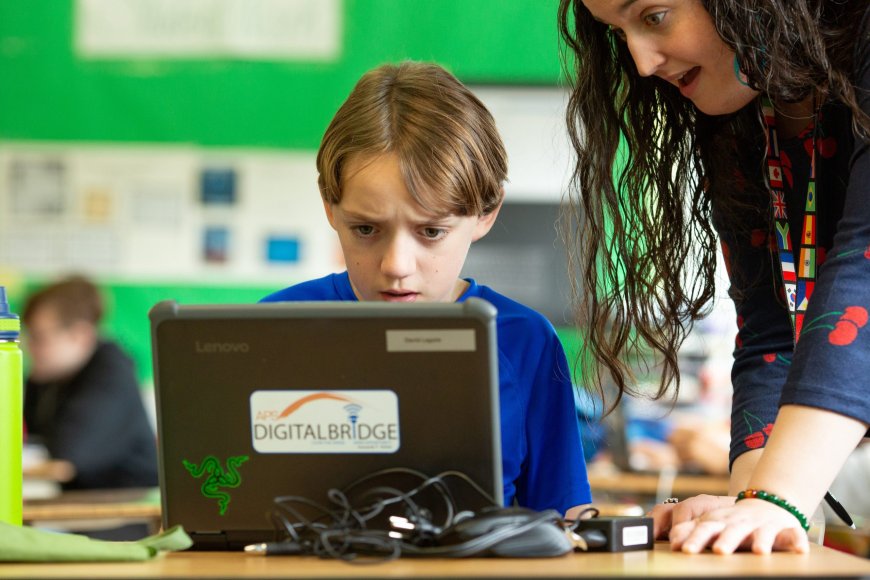
Artificial intelligence has burst into our classrooms with astonishing speed. Teachers are scrambling to adapt while students are increasingly interacting with AI tools—sometimes with guidance, often without. What's missing in this rapid adoption? A balanced education that acknowledges both AI's transformative potential and its inherent risks.
Forman, a veteran educator, observes: "We're teaching students how to use AI as a tool, but we're not teaching them how to think critically about AI as a phenomenon."
The Hidden Dangers Lurking Behind the Promise
The excitement surrounding AI in education is palpable—and justified. AI can personalize learning, provide instant feedback, and even create engaging educational content. But beneath this promising surface lie potential harms that educators cannot ignore:
- Bias reinforcement: AI systems trained on historical data can perpetuate and amplify societal biases
- Privacy concerns: Student data collected by AI systems may be vulnerable to misuse
- Critical thinking erosion: Over-reliance on AI answers may diminish students' problem-solving abilities
- Misinformation generation: AI can convincingly fabricate information that appears credible
"We wouldn't hand a teenager the keys to a car without driver's education," Forman argues. "So why are we handing them access to powerful AI systems without proper guidance on its potential pitfalls?"
Commodity
The solution isn't to reject AI in education but to embrace it with eyes wide open. Forman advocates for a curriculum that:
- Demystifies AI technology – helping students understand how these systems actually work
- Develops AI literacy – teaching students to question, verify, and critically evaluate AI-generated content
- Explores ethical implications – engaging students in conversations about privacy, bias, and fairness
- Encourages responsible use – establishing clear guidelines for when and how to use AI tools appropriately
The Urgency of Now
As AI capabilities expand at breakneck speed, the window for establishing proper educational frameworks narrows. "We're at a critical juncture," Forman warns. "The decisions we make today about AI education will shape how our students navigate an increasingly AI-saturated world tomorrow."
The challenge for educators is clear: prepare students not just to use AI tools, but to understand their limitations, question their outputs, and ultimately remain in control of the technology rather than be controlled by it.
In this new landscape, the most important lesson we can teach our students might be this: AI can be a powerful assistant, but it should never replace human judgment, creativity, and ethical reasoning.
This article is based on the original piece by Spencer Forman published on The Hechinger Report. The content has been rewritten while preserving the core message and perspectives of the original author.
#AIEducation #AILiteracy #EdTech #DigitalCitizenship #FutureOfLearning #CriticalThinking #AIethics #StudentPrivacy #EducationReform #21stCenturySkills
What's Your Reaction?
 Like
0
Like
0
 Dislike
0
Dislike
0
 Love
0
Love
0
 Funny
0
Funny
0
 Angry
0
Angry
0
 Sad
0
Sad
0
 Wow
0
Wow
0